
Chalk paint · Furniture Painting · furniture prep · Uncategorized · Vintage store

Painting slick surfaces

Nothing like having small cold weather inside projects to fall back on πŸ˜…

I’ve had this old Lincolnware bread box in the shop and it’s obvious ( this) green isn’t the current trendy retro color.

The before. Lovely avocado πŸ₯‘ green.


Bold oranges, reds, and yellows are popular ( yes those 70s)

And pretty soft colors of 50-60s definitely are ( think pinks, soft blue, mint green, pale yellow or even crisp red and white)

So on that note, this is getting a fresh retro color added to it. 😁

If you are ever wanting to paint metal, glass, plastic, shiny surfaces or shiny factory finish on furniture you need Slick Stick!
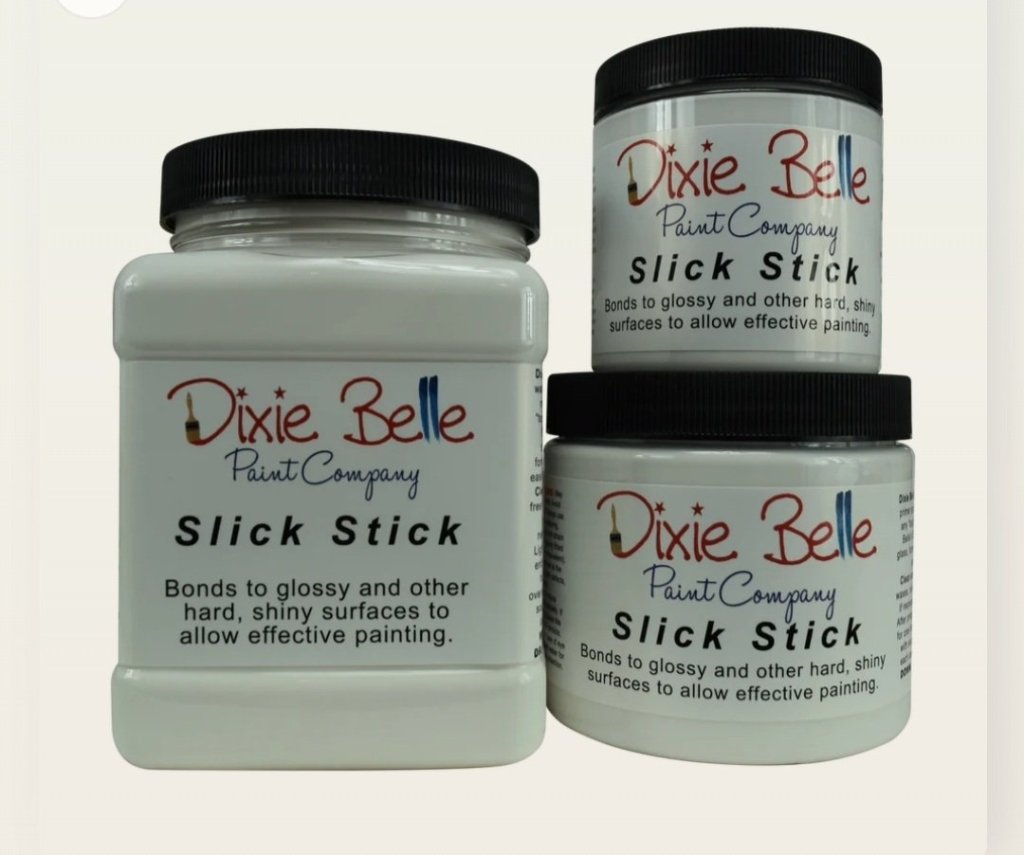
Slick Stick comes in 3 sizes


This is basically a gripping product for your paint to adhere well to.

I was chatting with a customer yesterday while I worked. She asked me about paint classes as her first piece she had done didn’t go well, that the paint had just “peeled off”

Now when someone tells me that my first question is did you clean it well? If you do nothing else, the few minutes it takes to clean with our White lighting to get grease, dirt, etc off and have a clean slate is invaluable.

It’s also a good deglosser, among other things.


I then asked her if it had a shiny factory finish…her faced answered the question.

A shiny factory finish has nothing for the paint to “latch on to” therefore, it will be very susceptible to that peeling problem.

I discussed slick stick with her and hopefully that helps her in the future.

You can get slick stick ( and other problem solvers) in my Shades of Yesterday shop inside the Corner Cartel 265 S Main St Boerne, look for my Dixie Belle banner hanging up when you come in!

Now….the old bread box. It has one coat. I let it dry well and applied a second coat.
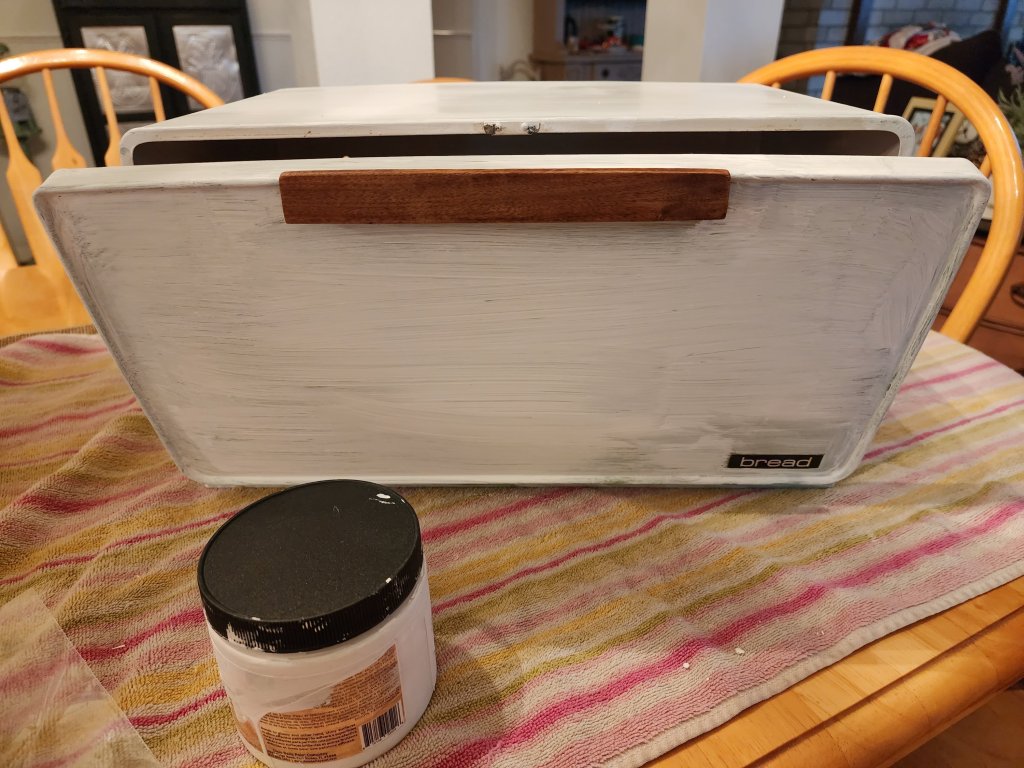
One coat applied over the metal box
And the finished product. Isn’t it cute? ❀️


Products used for this are: Slick Stick, Mint Julep paint, Fresh Fifties transfer, Flat clear coat, and Big Mama’s Butta for wood handle and inside door.
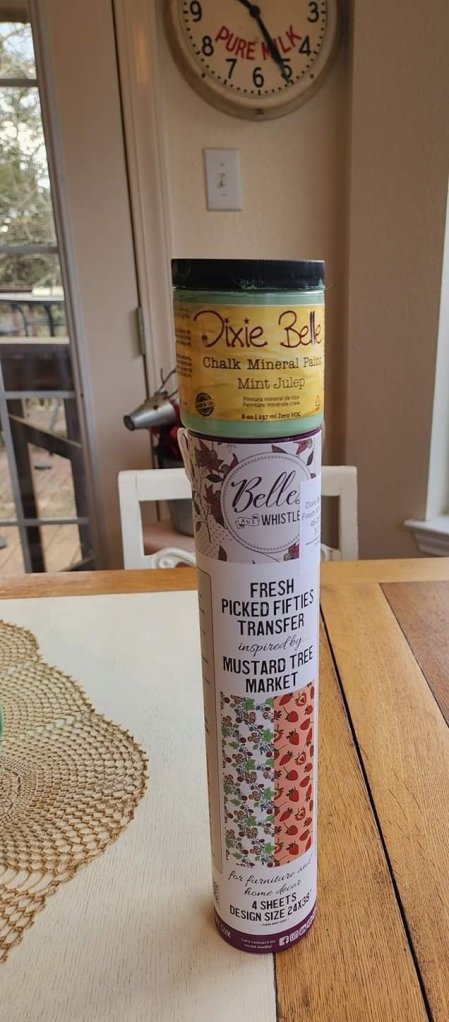
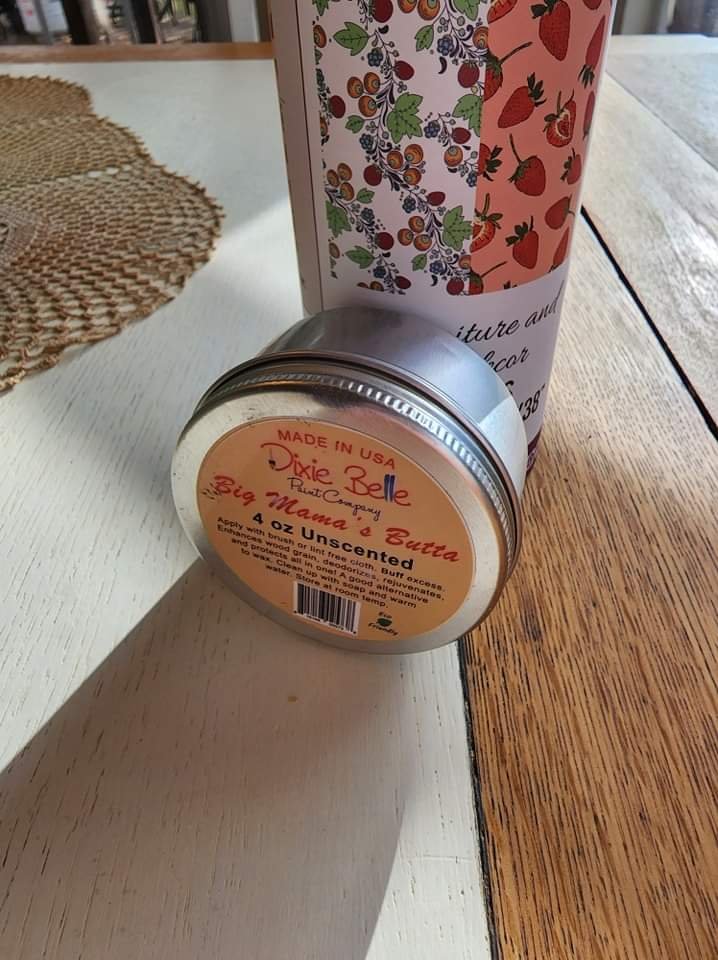
All Dixie Belle products are available in my Shades of Yesterday shop inside the Corner Cartel 265 S Main St Boerne


#shadesofyesterday #vintagestore #vintageshop #dixiebellepaintretailer #dixiebellepaint #paintedfurniture #vintagestyle #proudtobeadixiebelleretailer #eliteretailer #BestPaintOnPlanetEarth #dixiebellepaintcompany #vintagekitchen #shoplocal

Chalk paint · Furniture Painting · furniture prep · Uncategorized

To Sand or Not To Sand

In the world of painting and revamping furniture there are more than a few people who think sanding on furniture is a dirty word. I wanted to chat about when and why we would do sanding before painting or staining.

Do I sand it??? 😬

Prep is everything

Listen,  there are lots of companies out there offering paint products. Some of them openly tout you can basically just paint your piece without any prep work, no sanding, no cleaning, no nothing.  Just paint.

Hmmmm ok.

I mean you can with Dixie Belle too but the question to be asked is what do you want your finished piece to look like? I can see a poorly prepped piece from a mile away. ( it’s a job hazard, studying other painted furniture 🧐) the obvious awful look is painted over broken, chipped veneer or finishes that were rough and uneven ( like previous paint. Latex is the worst) It sticks out like a sore thumb.

When to sand

For the sake of this article, the term “sanding” does not mean grinding away for hours to take everything off back to the original wood.  What it does mean is preparing your piece by sanding off uneven varnish or previous paint. This can often be accomplished by hand with a medium grit sand paper. Your goal is to have a smooth finish to work on.

The old green paint on this cafe chair easily scuffed off with that small piece of sandpaper in a few minutes.  It wasn’t my goal to hit wood, but the paint was so flakey it was easy to sand off. You don’t want flakey varnish or paint on a piece before painting.
Here’s the chair with about 10 minutes work. I will not try to get all of the paint removed. What is left isn’t loose or flaking now. The one on left is it’s partner πŸ˜…

Note it isn’t necessary to make all the paint go away. The idea is that anything loose or flaking is lifted off.

You can’t tell from the photo but the finish on this old drum table just lifts off. I scraped that area with my nail. It will get a light scuff sanding before I paint.  I don’t want that loose finish under my paint.

Once I’ve sanded areas that need attention ( note,Β  the entire piece won’t always need to be sanded, it could be just problem areas) I will wash and clean it. First it will get washed down with our white lightening to remove dust, dirt and grime. This will often lift any other loose substances and it also deglosses. The piece gets a finalΒ  wash with clean water. Once it dries well I can move on to the fun part, painting!

When you don’t need to sand

I get plenty of pieces that are in good shape and just need cleaned and then painted.  The surface is smooth and stable. 

This is an old dresser. You can see the wood looks nice, smooth, no chips or flaking varnish. I can clean this and proceed with painting or staining.  There is no need for me to sand.
This piece is smooth and clean.  No need to sand.  It does have a shiny factory finish so I will use our Slick Stick on it before painting.  This is basically a gripper for paint on shiny or smooth surface.
This piece was so poorly painted it would just get a quick, light all over scuff sanding ( a sanding block works great) then throughly cleaned. Scuff sanding and cleaning will take me 5-10 minutes.

In conclusion

You don’t have to sand if you use Dixie Belle ( if we want to use that as an argument for painting) however, you have to decide what you want your final product to look like when you’re done.

When we say “sand” it means to assess your piece for visible flaws that would show under your paint job. Sanding will smooth or remove those areas. It does not mean sanding entire piece down to bare wood. Prep is the essential work for nice end results. It really comes down to what you want to put into it.

I hope this posts helps you understand a bit better on when to do some sanding ( or not) on your project. If you have questions feel free to reach out, I’m happy to help!

Chalk paint · Furniture Painting · Uncategorized · Vintage furniture · Vintage store

Let’s Talk Paint!

As an Elite retailer with Dixie Belle Paint, I carry both of their paint lines. I get a lot of questions about both so I thought I’d discuss them with you in this post.

Our chalk mineral paint

“Chalk paint” as it’s referred to, is super easy to work with and definitely beginner friendly. We carry 69 colors from a soft neutrals, to fun bold colors like amethyst and peony and so many more. There is a color for everyone and all projects.

Chalk paint is very water friendly and I always recommend having a good mister bottle ( I carry those) to lightly spray your brush and paint while you work. This not only gives you a smooth finish but it makes your paint go farther. If the paint gets to thick, add a bit of water to a more workable consistency. Remember to use a little at a time to not thin to much.

Two coats is usually adequate for most things. The paint dries fairly quick, especially in warm weather! After the first coat you can lightly sand with our gray sanding pad ( available in my shop) or 220 grit sand paper. This will give the paint that nice smooth feel. Apply your second coat and after dry, lightly sand again and buff for a silky finish.

You can now leave your piece as is, the paint will fully cure in 30 days, or you can use one of our top coats or waxes to seal. This is recommended if you plan to use other colored glazes or waxes or you have a piece that will get lots of use.

Silk all in one mineral paint

Our Silk line was just released in January and it has been flying off the shelves. Silk has a built in primer and top coat offering a low reflective finish. It is water resistant, mildew and UV resistant, durable and scrubable.

This line comes in 20 soft coastal colors. This is a great product for those who just want to get a piece painted without having to do other steps to finish.

Silk requires a good cleaning before painting ( use our white lightning cleaner) and scuff sanding to make sure it has a good surface to attach to. It is recommended to use a good quality synthetic brush for application. You do not use water with Silk as this can affect its properties of primer and top coat.

Load your brush and use long even strokes, not over working paint. Silk does have a longer dry time than chalk paint. It is recommended to have several hours between coats. Once you are satisfied with your coats, you are done! If you wish to distress do so after paint is throughly dry. The paint will continue to dry and be fully cured in 30 days.

If you would prefer a different sheen, you can apply any of our top coats over Silk. All of our auxiliary products ( wax, glazes, top coats) work great with Silk! If you use one of our furniture transfers you will need to seal with a top coat.

Silk is easy to work with and is also great for cabinets too! I applied it in my son’s bathroom after we first launched it. He isn’t easy on his cabinets and the dog lays against them so I’m always scrubbing them and the paint has held up great.

A few other differences

You cannot mix or combine the two paints. Chalk is easy to blend colors with where Silk isn’t as easy to do so.

Chalk paint is water friendly but you do not use water to thin or apply Silk. Using a good quality synthetic brush will give you best results with Silk application.

I hope this brief comparison of these two paints will help you when choosing for a project. Feel free to reach out with any questions you may have!

Remember you can find all things Dixie Belle in my Shades of Yesterday shop located inside the Corner Cartel 265 S Main St Boerne

Chalk paint · Furniture Painting · Uncategorized · Vintage furniture

Making Your Own Specialty Wax

I had a good customer drop off a piece to me, an antique clock, that had been in her family for years for some custom work.

Nothing is prettier than old clocks with such details

When asked how I was to do it I was told white and pink.

Pink? I clarified that and she told me it would go in a cottage she was doing in pastels. Well ok then, pink it is!

First the clock got cleaned with Dixie Belle’s White Lightening cleaner. Once dry, I painted it with two heavy coats of our chalk mineral paint in Cotton. This is our purest bright white.

The clock looks like it’s photo bombing 😜 you can see it all pretty and white

Once the paint dried I lightly sanded it with our sanding pad to give it a smooth feel. I then applied our Best Dang Wax in clear working in, especially to the details. Once on I buffed well with a clean t shirt rag. Wax is one of several top coats you can use with our paint if you wish to seal your piece. Our paint fully cures in 30 days and no sealer is required but many prefer to add top coat for extra durability.

So why the pink paint?

Do you know besides our regular wax colors of brown, grunge gray, white, black and clear, that you can make your own specialty colored wax? Tis true!

Hmmmm, how is this accomplished?

Take a small amount of clear wax, add only a couple drops of desired Dixie Belle paint into wax and stir well with a plastic knife or popsicle stick…anything works as long as you blend in the paint well with the wax. Then brush on, use a rag etc to apply your special wax and wipe back excess. I used clear wax and a few drops of Dixie Belle’s Soft Pink to make a gorgeous wax that I worked into all of the details on the clock.

Pretty in pink!

I then used a clean rag to buff the wax making sure color was worked into all the delicious details.

And the finished product at home…

How soothing are all of these soft colors?

Find all Dixie Belle products, including waxes, in my Shades of Yesterday shop inside the Corner Cartel 265 S Main St. in Boerne.

Feel free to reach out to me if I can be of help with your paint projects!